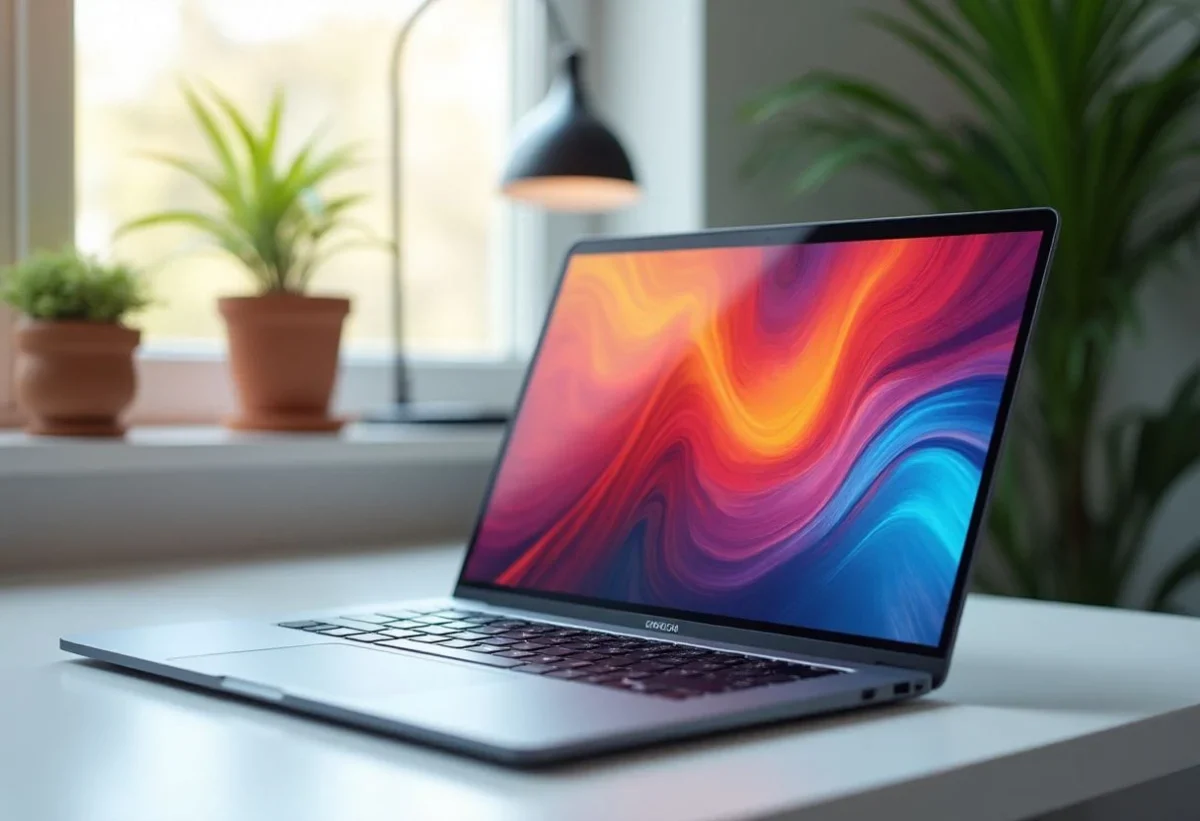
Buying a computer online may seem complicated, but with the right information, you can make an informed choice that perfectly suits your needs. Whether you are looking for an Apple MacBook, a Windows laptop, or simply want to understand essential components like the processor, RAM, or SSD storage, this guide will help you navigate the world of laptops and PCs.
Understanding the Different Types of Laptops
Apple MacBooks: A Premium Choice
The Apple MacBook is often considered a high-end choice for those seeking both style and performance. With sleek designs and 13 or 16-inch screens in starlight or silver, MacBooks are equipped with powerful Apple processors and integrated Apple GPU graphics. Their macOS system is known for its smoothness and compatibility with other Apple devices.
Windows Laptops: Variety and Performance
Windows laptops offer a wide variety of configurations and prices. Brands like Lenovo, HP, Dell, and Asus provide models with Intel Core or AMD Ryzen processors, ranging from 2.5 GHz to over 4 GHz, to meet diverse needs. Whether for office use, multimedia, or gaming, there is a model for every user.
Essential Specifications to Know
The Processor: Intel vs AMD
The choice of processor is crucial. Intel Core processors, ranging from the i3 series to the i9 series, are renowned for their performance and reliability. On the other hand, AMD Ryzen processors, such as the Ryzen 5 or Ryzen 7, offer competitive performance at often more affordable prices. The frequency in GHz and the number of CPU cores directly influence your computer’s speed and efficiency.
RAM Memory and the Importance of SSD Storage
RAM is an essential component for your computer’s responsiveness. A minimum of 8 GB is recommended for everyday use. As for storage, SSD has become the standard due to its speed and reliability. SSD storage options range from 256 GB to 1 TB, and some models also include a hard drive for additional capacity.
Choosing the Ideal Screen for Your Needs
Screen Size: Inches and Resolution
The screen size, measured in inches, is crucial for your visual comfort. For mobile use, a 13 or 14-inch screen is ideal, while a 15 to 17-inch screen is better suited for stationary use. A Full HD resolution (1920 x 1080 pixels) offers a good balance between image quality and energy consumption.
The Graphics Card: Integrated or Dedicated GPU
For graphics-intensive tasks like video editing or gaming, a dedicated graphics card like the NVIDIA GeForce RTX is recommended. For general use, the integrated graphics in Intel or AMD processors are sufficient. The important thing is to assess your needs before making a choice.
Battery Life and Performance Criteria
Battery Life: What to Check
Battery life is a key factor, especially if you travel frequently with your computer. Recent models can offer over 10 hours of battery life, but it is wise to check battery life tests from specialized reviews. To maximize battery life, prioritize laptops with effective thermal management to avoid overheating.
Comparing Prices and Online Offers
Recommended Shopping Platforms
There are many online platforms where you can buy a computer, such as the websites of major manufacturers or a professional computer retailer. Compare prices, specifications, and read reviews from other users to make an informed choice.
Checking Customer Reviews and Feedback
Taking the time to read feedback can help you avoid unpleasant surprises. Customer reviews are a valuable resource for assessing usability, actual battery life, and the build quality of laptops.
Return Policy and Warranties: Elements Not to Overlook
Return Conditions of Online Stores
Before purchasing, always check the seller’s return policy. A good return policy allows you to return the product if it does not meet your expectations. Make sure your purchase is also covered by a warranty to protect you against manufacturing defects.
Warranties and After-Sales Services
Opt for computers with a warranty of at least one year. Some manufacturers also offer extended after-sales services that may include free repairs or exchanges in case of failure. This can be a significant advantage if you use your computer intensively.
By following these tips, you will be well-equipped to choose the best computer online for your personal and professional needs.