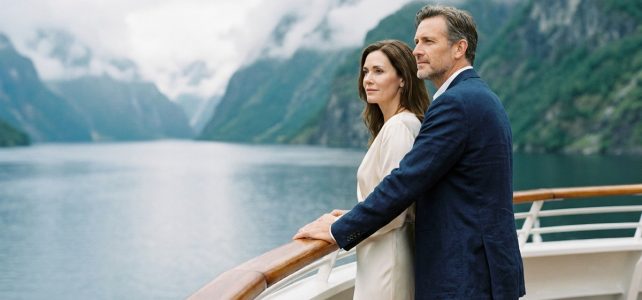
A ship that casts off with, on board, a gourmet restaurant, a spa, and a suite larger than some Parisian apartments. This picture summarizes what attracts more and more travelers each year to luxury cruises. The phenomenon goes beyond the simple desire for a vacation at sea: it touches on the way we conceive of travel itself.
Luxury cruise and polar expedition: the new grail for seasoned travelers
Competitors talk extensively about sumptuous suites and onboard gastronomy. They overlook a trend that is reshaping the dream of high-end cruising: expeditions in polar and remote areas. Arctic, Antarctic, Galápagos, these destinations are now featured in luxury company catalogs, with expedition sailboats or polar yachts capable of navigating in high latitudes.
Recommended read : Why Wheelbase Measurement is Essential for Your Vehicle's Performance
Météo Consult and Figaro Nautisme describe polar sailing cruises as the “new dream of seasoned travelers,” with a significant increase in demand in recent seasons. The typical profile is no longer a retiree seeking comfort. It’s an experienced traveler who has already explored the classic routes in the Mediterranean or the Caribbean and is looking for the culmination of a journey.
Luxury cabotage in high latitudes, wildlife observation from a heated deck, daily scientific briefings: high-end expeditions blend adventure and impeccable service. It’s this combination that inspires dreams, far more than yet another buffet facing the sea.
Read also : Explore the enchanting world of river cruises with CroisiEurope
Private areas on large ships: luxury without sacrificing choice
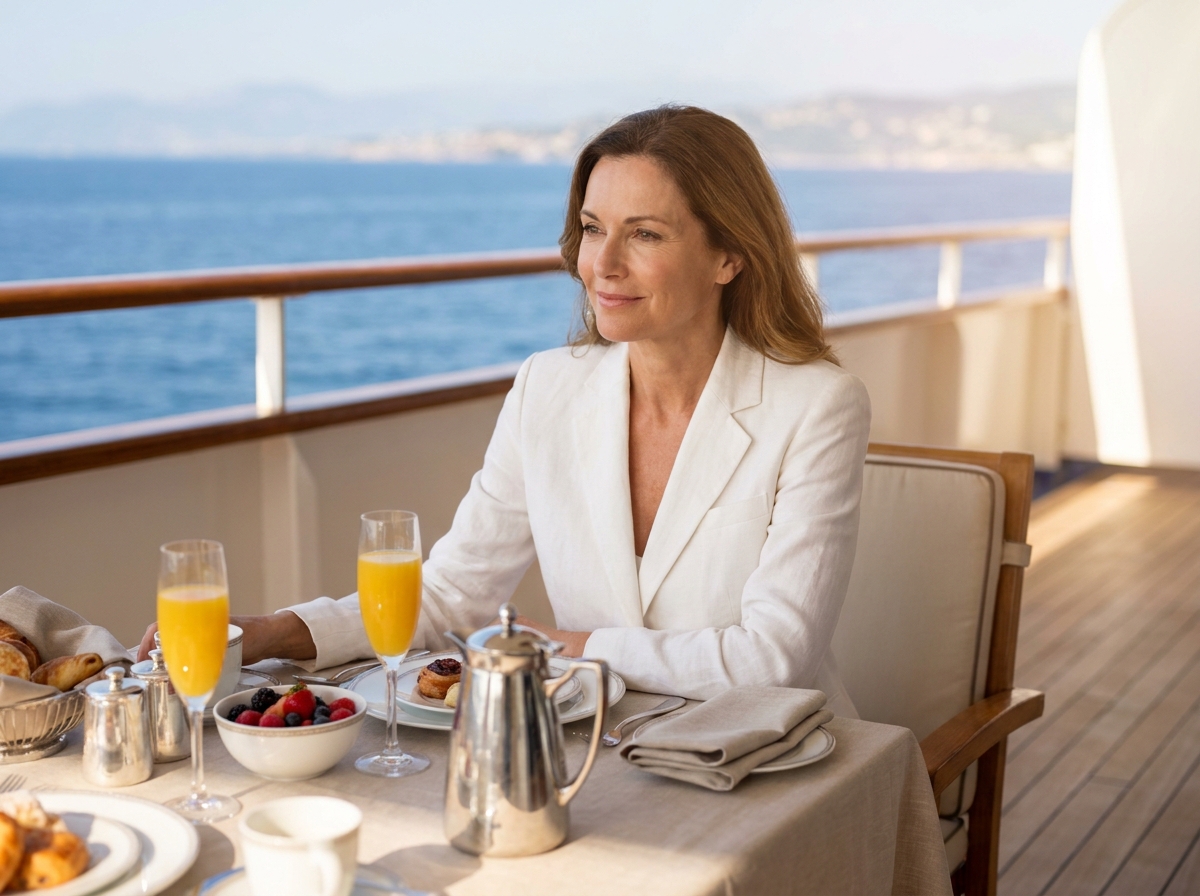
Have you ever noticed that some passengers on a massive cruise ship seem to be experiencing a completely different cruise from the rest of the travelers? They have access to reserved decks, dine in separate restaurants, and have a butler at their service. This concept has a name: luxury “bubbles” integrated into large ships.
The MSC Yacht Club illustrates this approach. On a family cruise ship with several thousand passengers, a closed-off area offers high-end suites, butler service, dedicated gourmet dining, and premium drinks in an all-inclusive package. The traveler enjoys the choice of activities and stops of a large ship while finding the tranquility of a private yacht as soon as they return to their quarters.
This hybridization meets a specific need. Many travelers want the service of a yacht without sacrificing the variety of itineraries offered by large ships. Companies like Ponant or newer players like Explora Journeys position their ships halfway between a classic cruise liner and a yacht, with reduced capacities and a high crew-to-passenger ratio.
Onboard service and passenger ratio: what truly distinguishes high-end
The word “luxury” is overused in the cruise world. A jacuzzi on the upper deck is not enough to qualify a ship as high-end. What makes the difference lies in measurable criteria.
- The crew-to-passenger ratio is the first reliable indicator. The higher it is, the more individualized attention each traveler receives, from cabin service to the organization of tailor-made excursions.
- The size of the ship plays a direct role: a ship with a few hundred passengers can dock in ports inaccessible to the giants of the sea, opening up exclusive stops in Norway, Croatia, or the Greek islands.
- The level of onboard dining goes beyond mere menu variety. Some companies collaborate with Michelin-starred chefs and offer food and wine pairings designed for each stop.
High-end cruising in French: Ponant and the Francophone market
Why is this detail important? Because the language spoken on board radically changes the experience. A French traveler boarding an English-speaking ship faces an invisible barrier: the lectures, menus, and interactions with the crew pass through a linguistic filter that dilutes the pleasure.
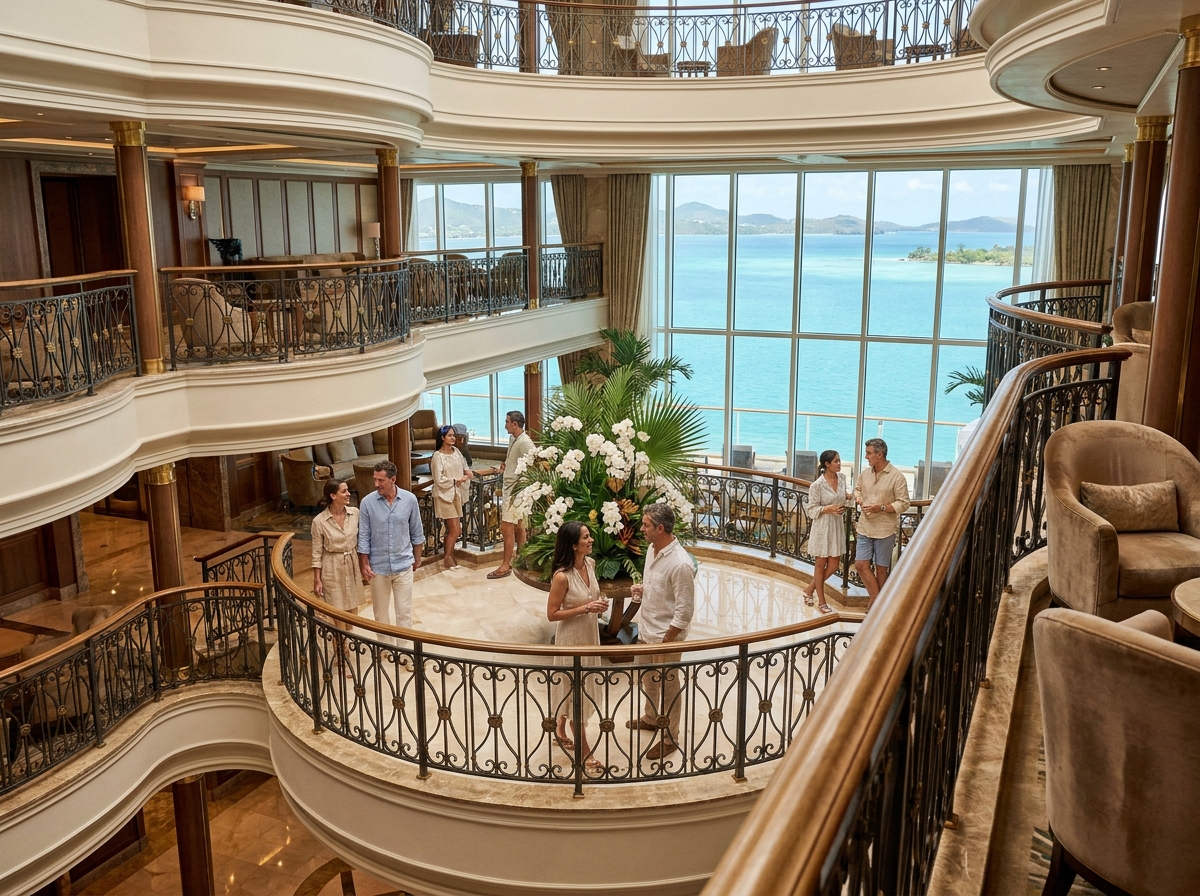
The company Ponant occupies a special place in this niche. The only luxury cruise line flying the French flag, it offers itineraries in French with a focus on responsible exploration. Its modestly sized ships access destinations that large fleets do not serve, from Scandinavian fjords to the coasts of Antarctica.
This positioning appeals to a Francophone clientele that does not identify with the codes of American companies. The style of service, French-inspired gastronomy, and the human scale of the ship: these elements matter as much as the destination itself for passengers who choose high-end.
Exclusive itineraries and stops: where dreams take shape
The fantasy of luxury cruising does not solely rely on what happens on board. It also depends on the places where the ship drops you off. High-end companies compete on the quality of their stops, not just on their number.
A large cruise ship stops at the same ports as all the others. A small-capacity luxury ship can anchor in a cove in the Cyclades, dock at a Sicilian fishing port, or navigate up a narrow Norwegian fjord. The exclusivity of the stop is an integral part of the product.
Excursions follow the same logic. Instead of air-conditioned buses dumping groups in front of a monument, premium companies organize private tours, meetings with local artisans, and hikes led by naturalists. The traveler does not visit a destination; they enter it.
High-end cruising inspires dreams because it promises a frictionless journey, where logistics fade away in favor of the experience. No suitcases to drag between two hotels, no transfers to organize, no restaurants to book. The ship moves during the night, and in the morning, a new landscape awaits behind the porthole.
It is this simplicity, combined with a level of service that tolerates no compromise, that explains the growing appeal of this mode of travel.