If you think that choosing a seat on Ryanair is just a matter of chance or speed, get ready to change your perspective. The details of the seat map, the subtleties of the cabin, and the placement strategies can radically transform your experience on board.
What the Ryanair seat map reveals: understanding locations and their specifics
The Ryanair seat map clearly exposes the airline’s strategy: multiply options, segment each space, and enhance every preference. On the Boeing 737-800 or 737 MAX, the cabin remains true to a unique configuration: three seats on each side, a single class, but a multitude of situations.
Each location has its own codes. The front seats attract those who want to disembark first, but this privilege can come at a high price. The emergency exits (rows 16 and 17) guarantee superior legroom, while remaining inaccessible to children, pregnant women, or anyone with reduced mobility. As for row 11A, it always surprises travelers: no window, an unexpected detail that can quickly become a disappointment for those who love beautiful views. Window seats promise lovely perspectives but complicate access to the aisle, especially during frequent movements.
Here is a concrete overview of the seats that deserve attention on this cabin plan:
- Rows 16 and 17: more legroom, but restricted access for certain passengers.
- Back seats: close to the toilets, often noisy, and always the last to leave the plane.
- Middle seats: average solution, neither great view nor freedom of movement.
- Row 11A: no window, appreciated isolation for rest, but frustrating for enjoying the scenery.
- Row 33: ideal for eating quietly, away from the hustle of early boarding.
Studying the Ryanair seat map helps avoid pitfalls. Some seats labeled “premium” only offer the illusion of an advantage, like priority boarding, while others, more discreet, disappoint with their discomfort, such as 32 facing the crew or 11A without a view. There is thus a real hierarchy, orchestrated by the airline, where each seat is negotiated between space, relative calm, and imposed pricing.
What are the advantages and disadvantages of the different areas on board?
Among the various sectors indicated on the Ryanair seat map, each area reveals its specificities, its advantages as well as its constraints. At the front, the head seats attract hurried passengers: disembarking among the first is tempting, but it costs between 8 and 25 euros, depending on the time and crowding. This area, close to the cabin crew, also concentrates the hustle and bustle at boarding time.
On the side of the emergency exits (rows 16 and 17), the legroom makes all the difference. This comfort comes at a price between 15 and 40 euros and comes with an obligation: in case of emergency, you must be able to assist with the evacuation. Children and those subject to restrictions cannot access these seats. Further forward, the famous row 11A intrigues: no opening to the outside, which may suit those looking to sleep, but will disappoint the curious eager for landscapes.
To better understand the interest of each position, here is a clear summary of the alternatives on Ryanair:
- Window seat: to enjoy the scenery and a bit of tranquility, but complicated movements to exit the row.
- Aisle seat: practical for moving around or accessing the toilets, at the cost of regular passage from other passengers.
- Middle seat: intermediate solution, neither the best view nor the greatest freedom of movement.
- Back seat: you leave the plane last, proximity to the toilets can be bothersome, and service noise is frequent.
- Row 33: recommended for meals, away from boarding flows.
Seats located near the wings suffer from engine noise and often have a blocked view. Row 32, facing the crew, exposes you to constant comings and goings, which is not to everyone’s taste. Ultimately, choosing a seat on Ryanair is about balancing comfort, time savings, and budget, with each area having its own codes on the cabin plan.
Tips for enjoying a good seat for free and traveling more comfortably
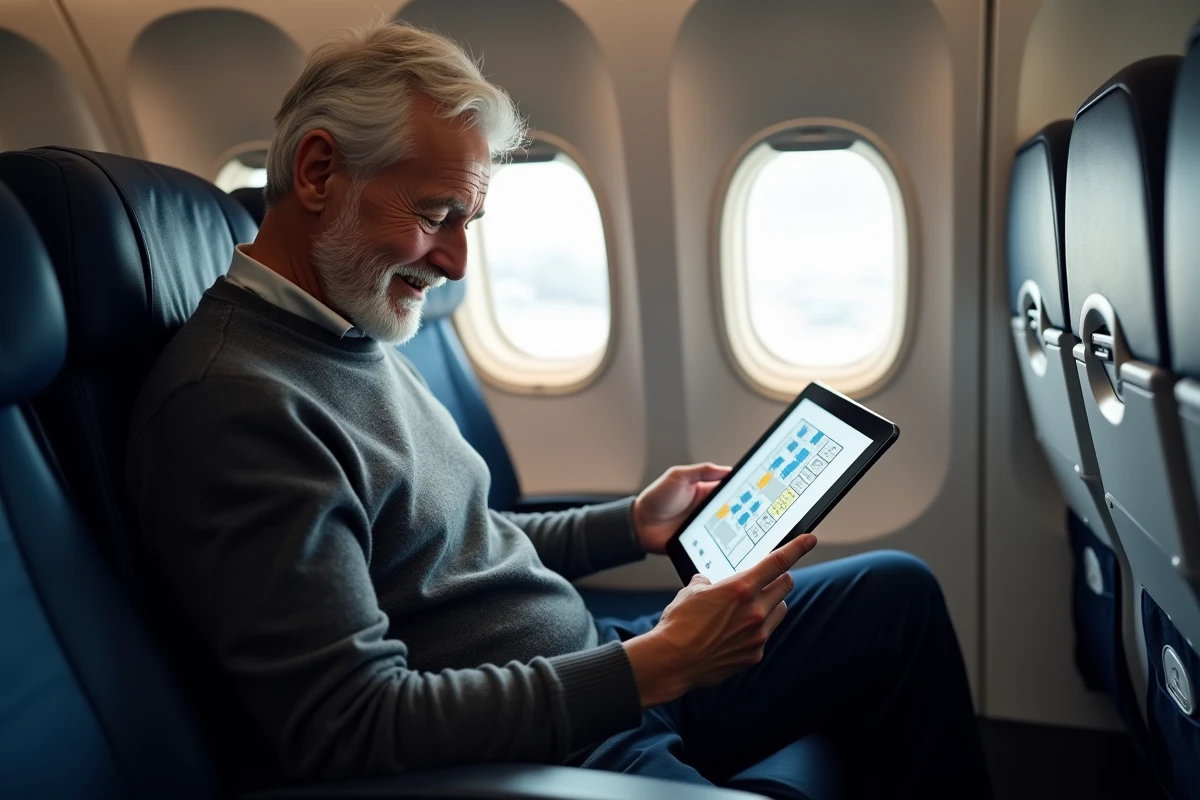
The Ryanair seat map can become a significant asset for those who know how to use it wisely. First point: watch for the opening of online check-in. Checking in early sometimes allows you to choose from the best remaining seats, but the opposite also works: some passengers wait until the last hours before the flight. The result: automatic seat selection, done at the last minute, sometimes groups travelers in locations that would have needed to be paid for in advance. This method requires flexibility and adaptability.
The choice of seat also depends on how you travel. With a light cabin baggage, it is easier to settle towards the middle or back of the cabin, where availability remains high. This positioning optimizes the exit from the plane, especially if you avoid the overhead bins crowded at the front. For landscape enthusiasts, the choice of the right or left side of the aircraft depends on the route: towards Italy or the Mediterranean, a simple check of the map can offer an unforgettable panorama.
Ryanair regularly offers promotions on seat reservations. Stay alert when purchasing your ticket or on social media to take advantage of a good rate. For groups or families, one tip is to check in travelers separately. This technique increases the likelihood of getting seats next to each other without paying the usual extra fee. The cabin plan of Ryanair reveals its secrets to those who dare to combine observation, anticipation, and a bit of boldness, far from mere chance.
On your next booking, a quick glance at the seat map could make all the difference: space, tranquility, budget, every detail counts to transform the flight into a significantly more pleasant experience.