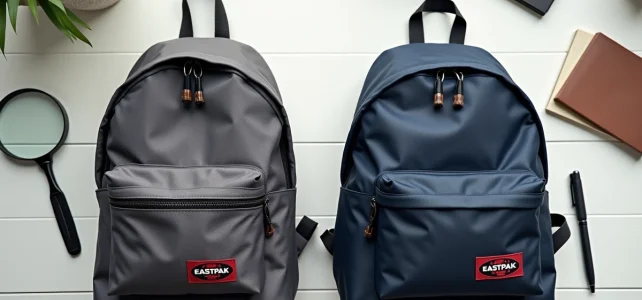
An Eastpak bag purchased from a marketplace or an unknown site can look exactly like the original. Counterfeits have significantly improved in recent years, to the point of deceiving a hurried buyer. To distinguish a genuine model from a copy, you need to know where to look, and especially what to touch, pull, and turn.
The five checkpoints that follow target the details that counterfeiters replicate the least well. Each one works independently, but it is their combination that provides a reliable verdict.
Further reading : How to benefit from a tax-free swimming pool?
1. The YKK zipper and its engraved inscription
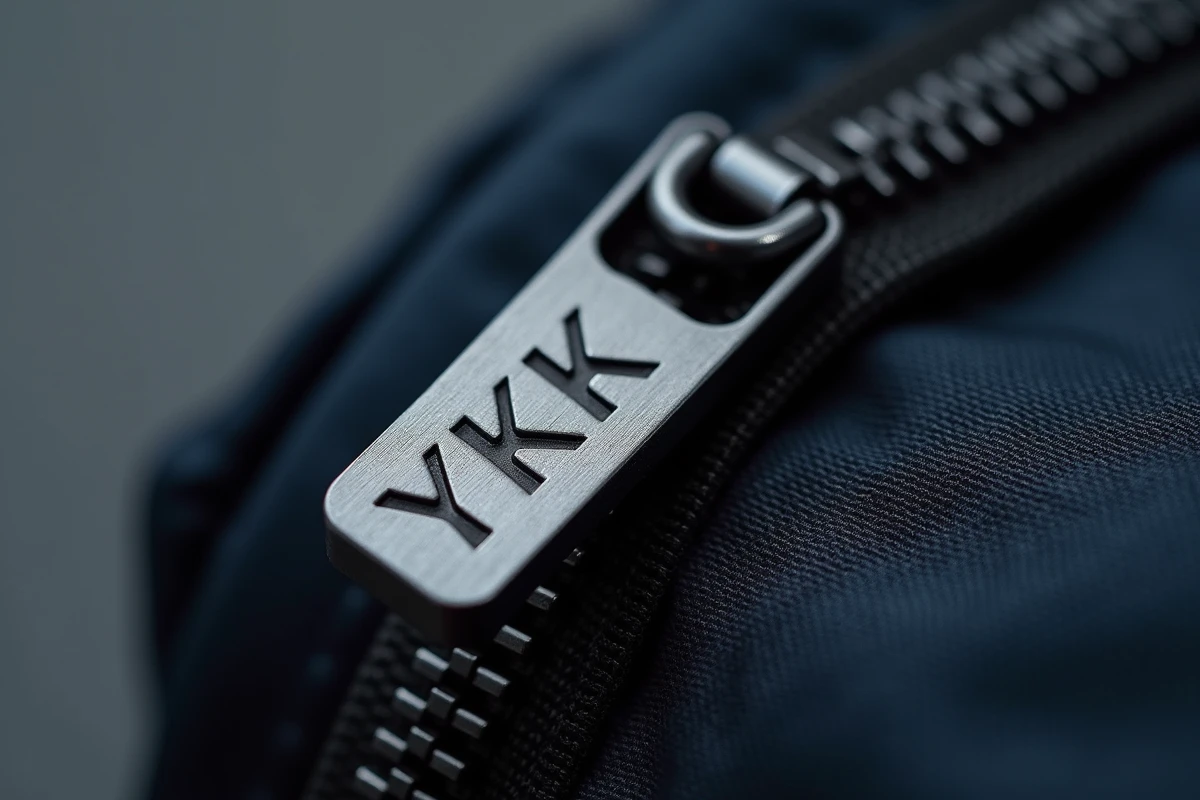
Eastpak uses zippers made by YKK, the world’s leading manufacturer. On an authentic bag, the slider bears the mention YKK engraved in relief on the pull tab, not printed or painted. The letters are sharp, consistent, and slightly recessed or raised depending on the model.
Recommended read : How to Cut a Zinc Gutter Downspout Cleanly: Tips and Effective Methods
On a counterfeit, this inscription is often missing, blurry, or replaced by a generic symbol. Also test the smoothness: a YKK zipper glides effortlessly and without force. If the slider gets stuck, skips links, or seems fragile, it’s an immediate warning sign.
You can learn more on Fashionova to delve into each verification step with comparative photos.
2. The embroidered Eastpak logo and its directional arrow
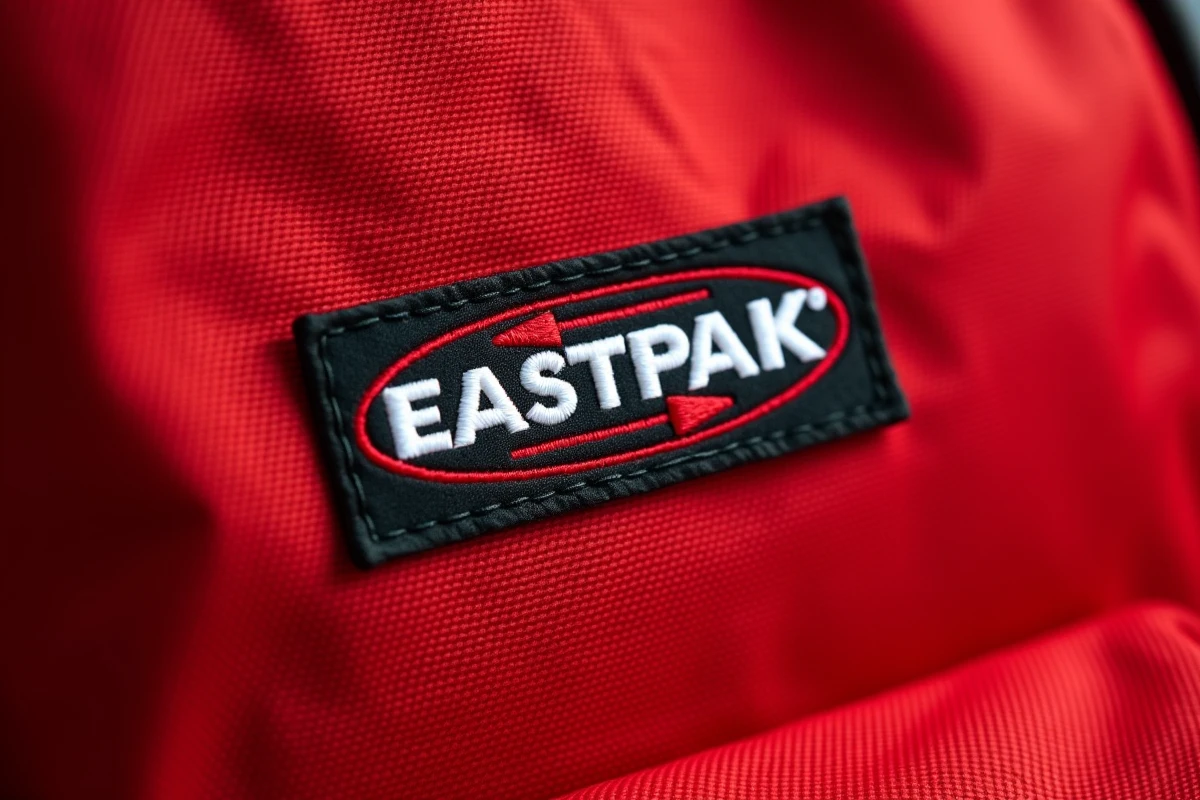
The Eastpak logo consists of the brand name and an arrow pointing to the right. On a genuine bag, the logo is embroidered with a dense and consistent thread. The letters have a constant thickness, with no stray threads or irregular spacing.
Counterfeits often reveal their origin at this precise spot. The embroidery may be slightly crooked, the arrow poorly proportioned, or the thread a color that does not match the official model. Always compare with a photo of the same color on the official Eastpak site: discrepancies are quickly spotted when you have a reference in front of you.
3. The interior seams and the quality of the lining
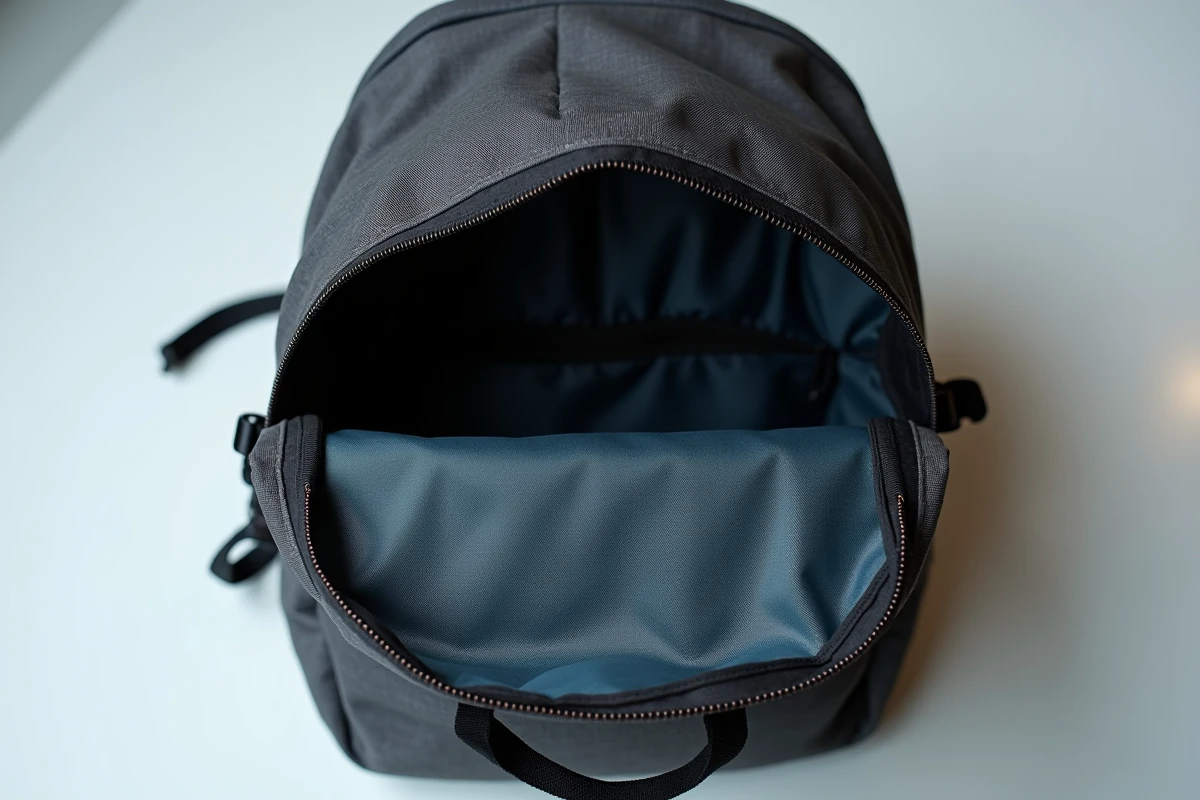
Turn the bag inside out or open it wide. Have you noticed that the interior finishes are rarely shown in online listings? This is precisely where counterfeiters save the most.
On an authentic Eastpak, the internal seams are double or reinforced at stress points (straps, bottom of the bag, junction of the front pocket). The threads do not stick out and the topstitching follows a straight line. The lining is smooth, with no excessive wrinkles or pronounced chemical odors.
A counterfeit often presents:
- Simple seams with loose threads or visible knots inside
- A thin, wrinkled lining that peels or creases with the first use
- Glue residues at the joints, especially at the bottom of the bag and around the pockets
4. The interior label and the authenticity hologram
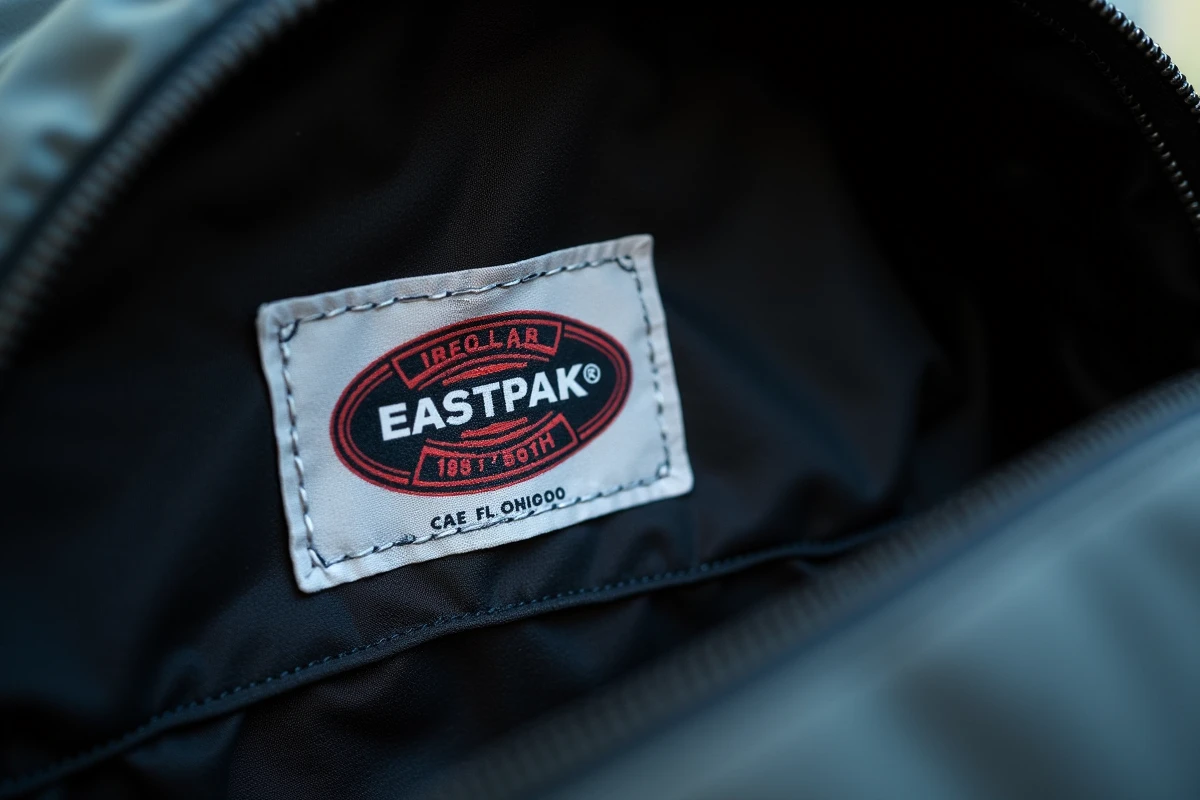
Eastpak includes a sewn label inside the main compartment. It indicates the model, fabric composition, and country of manufacture. On recent models, an authenticity hologram accompanies this label. This sticker changes reflection depending on the angle of light and cannot be peeled off and reapplied without deteriorating.
Counterfeits sometimes replicate the textile label, but the hologram remains the weak point. It is either absent or replaced by a simple shiny sticker without any real iridescent effect. Tilt the hologram under a lamp: a genuine Eastpak hologram displays reflections that change distinctly, not just a uniform metallic shine.
Another detail: the typography on the label. Fake bags often use a slightly different font, with characters that are too thick or too thin compared to the original.
5. The distribution channel and the long-term warranty

This fifth point does not concern the bag itself, but the place where you buy it. Eastpak emphasizes a simple principle: the brand only guarantees authenticity for purchases made through its official website or authorized retailers. A bag sold by a third-party seller on a marketplace, even if it appears compliant, does not have any coverage.
Eastpak offers a long-term warranty on its new products (the duration varies by model and can be quite extensive). If the seller cannot confirm eligibility for this warranty, or if no registration with customer service is possible, it is an additional indicator of counterfeiting.
Some reflexes before buying:
- Check that the online store is listed among the authorized retailers on the official Eastpak website
- Beware of promotions that far exceed usual discounts, especially on popular models like the Padded Pak’r
- Ensure that the site does not imitate Eastpak’s visual identity (logo, graphic charter) with a URL different from the official domain
Eastpak also provides a reporting form for suspicious sites and sellers on its page dedicated to counterfeiting. Reporting a fake benefits all subsequent buyers.
None of these five criteria is infallible in isolation. A careful counterfeiter may succeed with the logo but fail with the seams, or offer a credible hologram on a bag sold through a dubious channel. It is the cross-checking of the five points that truly protects against Eastpak counterfeits.