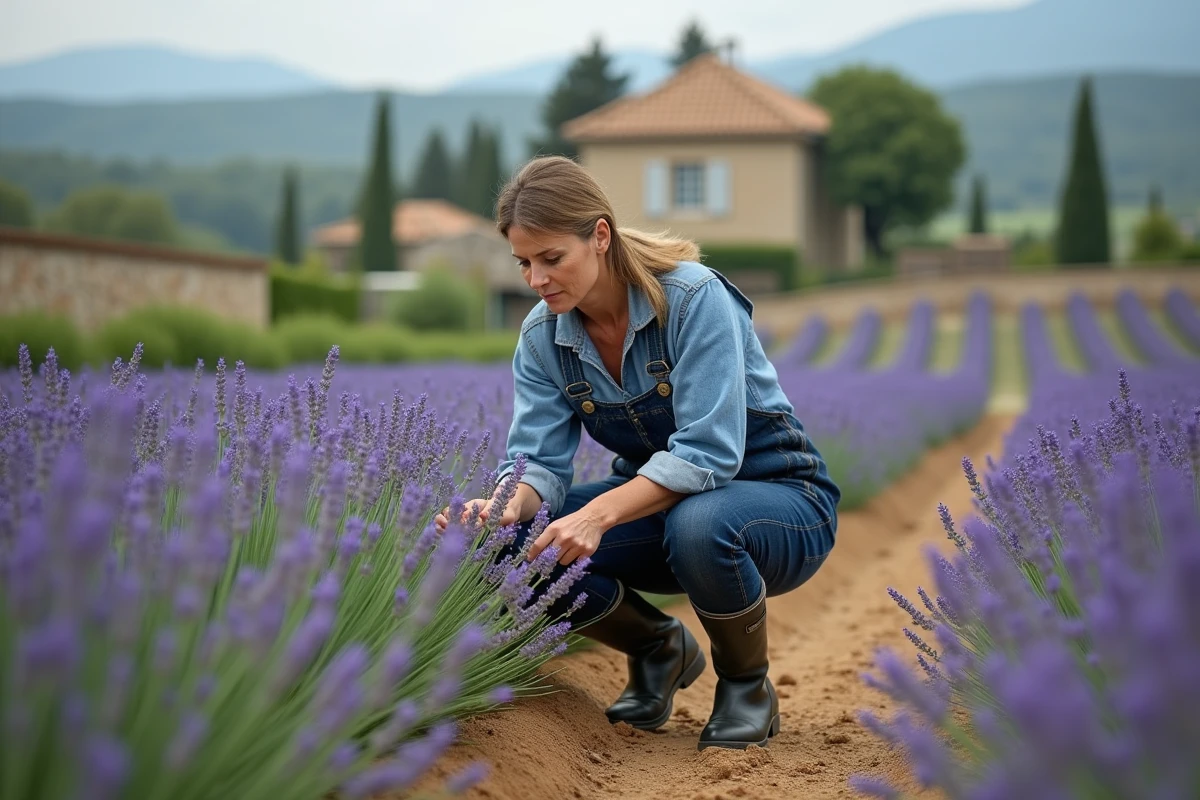
No regulatory text sets a single national threshold for minimum area to establish in PPAM. The SMA (minimum area for affiliation), determined by department and type of production, serves as a reference for affiliation to the MSA, but it does not constitute an absolute floor for conducting the activity.
Departmental SMA and minimum activity for affiliation in PPAM
The SMA varies by department and the nature of the production. For PPAM, it is often lower than that of major crops, because the added value per hectare is higher.
Confusion persists between two distinct concepts. The SMA conditions affiliation to the agricultural regime of the MSA, thus access to the status of farm manager. The AMA (minimum activity for affiliation) allows for validating an agricultural status even below the SMA, provided that sufficient working time or income can be demonstrated.
A PPAM producer on a modest plot can thus access agricultural status via the AMA if their activity generates a professional income above a locally set threshold.
To clarify these mechanisms and understand the minimum area for agricultural establishment, one must reason according to the targeted department and the chosen economic model, not a universal figure.
Micro-crops with high added value: when the minimum area for PPAM loses its meaning

Saffron, ginseng, or certain rare dye plants generate significant income on very small areas. A saffron producer can achieve a viable turnover on a few thousand square meters, whereas a lavandin farm requires several hectares to reach a comparable profitability threshold.
The economic model determines the area, not the other way around. In an intensive micro-culture, the major cost items are not land but processing infrastructure: dryer, distiller, packaging workshop.
We recommend reasoning in terms of total investment rather than hectares. Here are the parameters that weigh more heavily than gross area:
- The type of processing aimed at (fresh sale, herbal tea, essential oil, hydrosol) determines the necessary equipment and the margin per kilo
- The planting density and yield per square meter vary considerably between species, making any hectare-to-hectare comparison misleading
- Access to a sanitary-compliant processing workshop, whether private or shared, often represents an investment greater than acquiring the land itself
- The marketing circuit (direct sales, wholesaler, cooperative) alters the profitability threshold much more than the size of the plot
Saffron and ginseng: extreme cases that redefine viability
Saffron is grown on plots sometimes smaller than a quarter of a hectare. Ginseng, a long-cycle plant, occupies the soil for several years but sells at prices that more than compensate for the small area. These ultra-intensive models only work with sharp technical mastery and secured outlets before the first harvest.
The viability of a micro-PPAM plot relies on the value chain, not on the area. Without processing or direct sales capability, even a high-value plant is not enough to generate agricultural income.
MSA agricultural status and PPAM land: the real steps
Obtaining the status of farm manager via the MSA requires crossing the SMA threshold or, failing that, demonstrating sufficient activity via the AMA. The process goes through the agricultural chamber of the installation department, which directs towards the Personalized Professionalization Plan (PPP).
The PPP is mandatory for any first assisted establishment. It includes a collective training course, an on-farm internship, and a multi-year business plan.
The project leader must also anticipate the issue of land. Access to land remains the main barrier, even for small areas. SAFER has a right of preemption, and certain structures like agricultural test spaces allow starting without purchasing land.
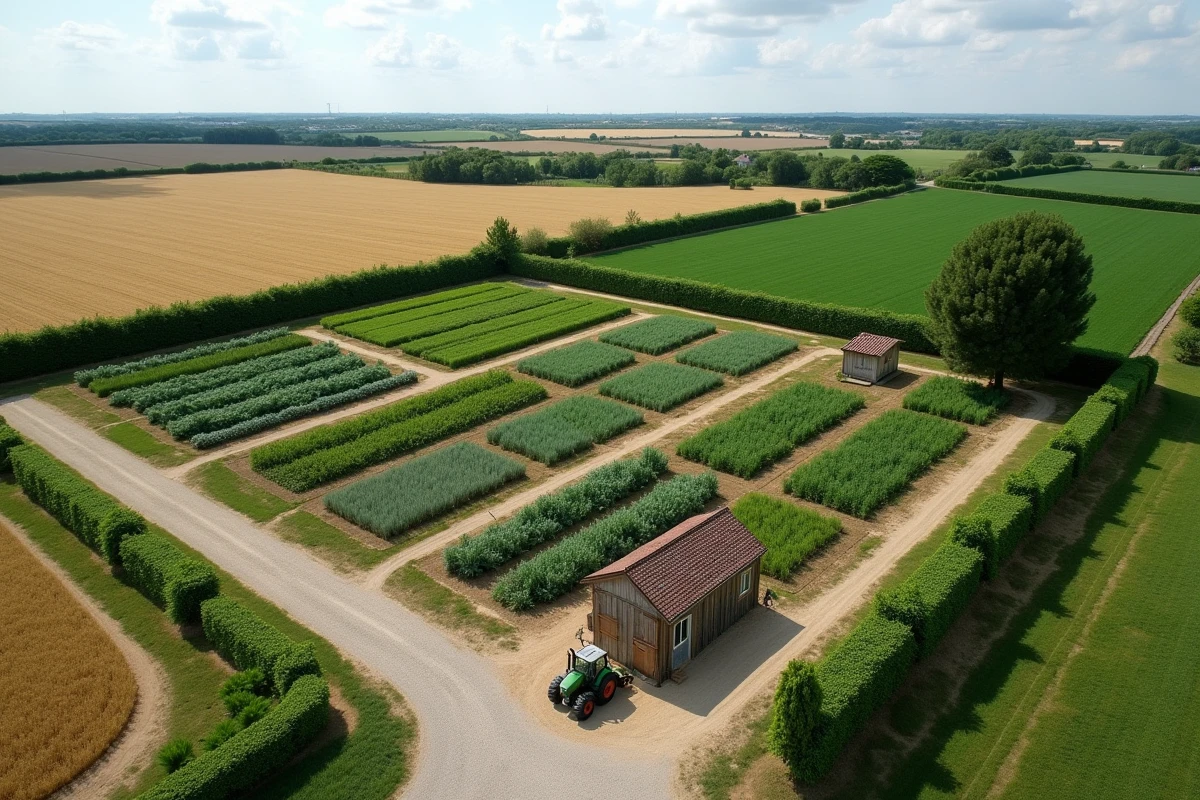
Organic or conventional: impact on the necessary area
The choice of organic production mode modifies technical routes but does not directly change the minimum area required by the MSA. However, organic certification opens up higher-priced outlets, which can make a smaller plot viable. The conversion period (two to three years depending on the crops) must be integrated into the financial forecast, as it generates extra costs without the price premium associated with the label.
Sizing your PPAM project: the variables that the SMA does not capture
The minimum administrative area says nothing about the optimal area to live off PPAM production. A profitable project articulates three dimensions rarely addressed together.
- The complementarity of cultivated species: associating a short-cycle plant (basil, mint) with a long-cycle plant (lavender, thyme) smooths cash flow throughout the year
- Sharing processing tools with other producers reduces initial investment and allows starting on a smaller area
- Multi-activity, common in PPAM, allows for gradual scaling without requiring full agricultural income from the first year
Multi-activity remains the dominant model among new entrants in PPAM. It allows testing a market, adjusting volumes, and building a customer base before reaching critical size.
The realistic sizing of a PPAM operation starts from the target income and works back to the area, integrating the selling price per species, expected yield, and processing costs. Starting from the area to deduce an income almost always leads to underestimating the needs for equipment and marketing.